Smart wearables continuously sense physiological signals to monitor heart rate, sleep, and activity, translating data into health indicators. Real-time dashboards support early warnings, treatment tweaks, and personalized care pathways. Device choice hinges on sensitivity, battery life, and comfort, while interoperable platforms and clear visualizations facilitate clinician adoption. Privacy, security, and sustained reliability remain essential for long-term engagement and evidence-based integration into care. The balance of data quality and practicality prompts important questions that guide ongoing evaluation.
How Smart Wearables Track Health in Real Time
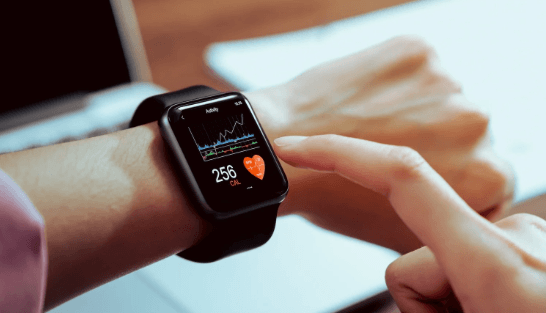
Smart wearables monitor physiologic signals continuously, translating raw sensor data into real-time health indicators. Data streams from wearable sensors enable continuous monitoring of heart rate, sleep, activity, and autonomic patterns, supporting early warning systems and treatment adjustments. Evidence-based analyses validate accuracy against clinical gold standards, while data ethics concerns ensure privacy. Clinicians interpret trends, guiding transparent, patient-centered decisions within real-time care pathways.
Choosing the Right Device for Your Goals
Selecting an appropriate wearable hinges on aligning device capabilities with specific health goals established in real-time monitoring. Evidence-based comparisons show variability in sensitivity, specificity, and battery life across models, influencing long-term adherence. Device comfort and ergonomic design correlate with wear time and data continuity. Clinically relevant decision-making favors transparent performance metrics, user preferences, and dimissing nonessential features to optimize goal-focused monitoring.
Interpreting Data: From Numbers to Actionable Steps
Interpreting data from wearables requires translating quantitative metrics into concrete, clinically meaningful actions. Data accuracy influences decision thresholds, while device interoperability ensures seamless integration across platforms. Data visualization clarifies trends, supporting objective steps and accountability. Battery life affects continuous monitoring, and user motivation sustains engagement. Privacy concerns should be acknowledged, guiding use without compromising evidence-based care.
Privacy, Security, and Long-Term Reliability
In the context of continuous monitoring and data-driven health management, privacy, security, and long-term reliability address how wearable systems protect sensitive information, resist threats, and maintain performance over time.
Evidence-based assessment reveals privacy risks, data ownership conflicts, and security vulnerabilities in device ecosystems.
Ongoing firmware updates and rigorous validation mitigate risks, sustaining reliability, user trust, and clinically meaningful data integrity.
See also: Social Engineering Attacks Explained
Frequently Asked Questions
How Accurate Are Wearables Across Different Ages and Skin Tones?
The answer: Accuracy differences exist across skin tone and age variation, with measurement reliability showing variability; studies indicate moderate accuracy gaps tied to skin tone and physiological factors, underscoring cautious interpretation while maintaining data-driven, clinical-oriented assessment.
Do Wearables Require a Subscription for Full Functionality?
Subscription stipulations: some wearables require ongoing subscriptions for premium features, but full functionality varies by device. Evidence suggests notable feature gating and subscription tradeoffs influence access, data depth, and support, impacting user autonomy and ongoing clinical-like utility.
Can Devices Reliably Monitor Mental Health Indicators?
Devices cannot reliably monitor mental health indicators alone; data shows limited validity and variable accuracy across platforms. Two word discussion idea 1: measurement limitations. Two word discussion idea 2: clinical validation. Decisions should be data-driven, evidence-based, prioritizing user autonomy within ongoing research.
How Do Wearables Impact Long-Term Fitness Plateaus?
A notable 12-week study shows plateau-breaking benefits when wearing devices. Wearables influence long term plateaus via adaptive training, enabling personalized progression, progressive overload, and recovery monitoring; data-driven adjustments support sustained gains while preserving autonomy and motivation.
Are There Hidden Battery Replacement or Maintenance Costs?
Hidden costs may exist, but vary by model; device upkeep, maintenance fees, and battery replacements are occasional factors. Data-driven findings indicate minimal long-term expenses for most users, yet preparedness for sporadic service costs supports informed freedom in choices.
Conclusion
Evidence indicates smart wearables reliably track core physiological signals and can prompt timely interventions when integrated with clinical workflows. However, variability in device sensitivity, data gaps, and user adherence challenge consistent outcomes. A tested theory—that continuous, validated sensing paired with interoperable platforms improves outcomes—appears plausible but requires rigorous, long-term studies across diverse populations. Clinicians should prioritize devices with proven accuracy, robust data security, and clear visualization to translate metrics into actionable, personalized care while maintaining patient trust.