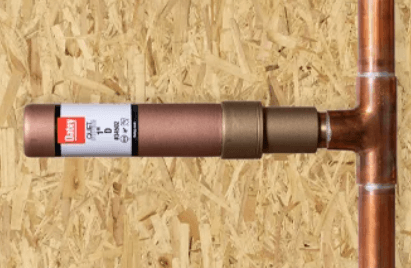
Noisy pipes can signal loose mounting, pressure variance, or worn components. Check for loose fasteners and mounting brackets, and listen for drips at joints or valve handles. Verify water pressure and reseat or replace worn washers. If sounds persist, consider dampening devices or vibration isolation and ensure proper insulation. The material and layout matter for fixes, so tighten fittings and document configurations to guide preventive steps; a quiet system may still require a targeted adjustment before the next call to a pro.
What Causes Noisy Pipes and How It Feels to You
Noisy pipes arise from flow disturbances, pressure changes, or water hammer, and these sounds reflect underlying mechanical or plumbing issues rather than mere annoyance. The cause may be fluctuating water pressure, which prompts hammering or rumble, while ambient vibrations reveal loosened components.
Proper pipe anchoring reduces movement, muffling noise and stabilizing flow, enabling calmer operation and easier, freedom-minded maintenance.
Quick Fixes You Can Try Before Calling a Pro
Quick fixes can often stem the noise without a pro visit. The guide suggests simple actions: inspect for loose fasteners, tighten mounting brackets, and verify low water pressure. Listen for drip corrosion signs near joints and valve handles, then reseat or replace washers. Track pipe harmonics by securing segments and damping vibrations with foam or cushioned clamps. When unresolved, call a pro.
When to Tighten, Replace, or Install Dampening Solutions
Determining whether to tighten, replace, or install dampening solutions hinges on the pipe’s condition and the source of the noise. When mounting or adjusting supports, check for uneven pressure along runs and secure fasteners. If fittings loosen or currents create persistent humming vibrations, consider dampening devices. Choose options that address resonance, not just symptoms, to restore steady operation and freedom in use.
Choosing Tools, Parts, and Preventive Steps for Quiet Pipes
To select the right tools and parts, assess pipe material, diameter, and mounting layout, then reference manufacturer recommendations for dampening devices and support hardware. The approach emphasizes leak detection, appropriate pipe insulation, and robust system design. Consider simple, proven components for pressure regulation, vibration isolation, and securing runs. Preventive steps include labeling, documenting layouts, and periodic inspections to sustain quiet, reliable operation.
See also: How to Buy Your First Cryptocurrency
Conclusion
Noisy pipes can be tamed with careful checks: secure loose fasteners, reseat worn washers, and verify water pressure. Listen for drips at joints or valve handles, then tighten or replace as needed. If vibrations persist, add dampening devices or vibration isolation and ensure proper insulation. Documenting pipe materials and layouts aids future prevention. By treating each noise as a signal, you convert disruption into a manageable maintenance routine, guiding you toward quieter, more reliable plumbing. Shakespearean cadence, steady caution.